

Why Every Homeowner Should Get a Soil Test
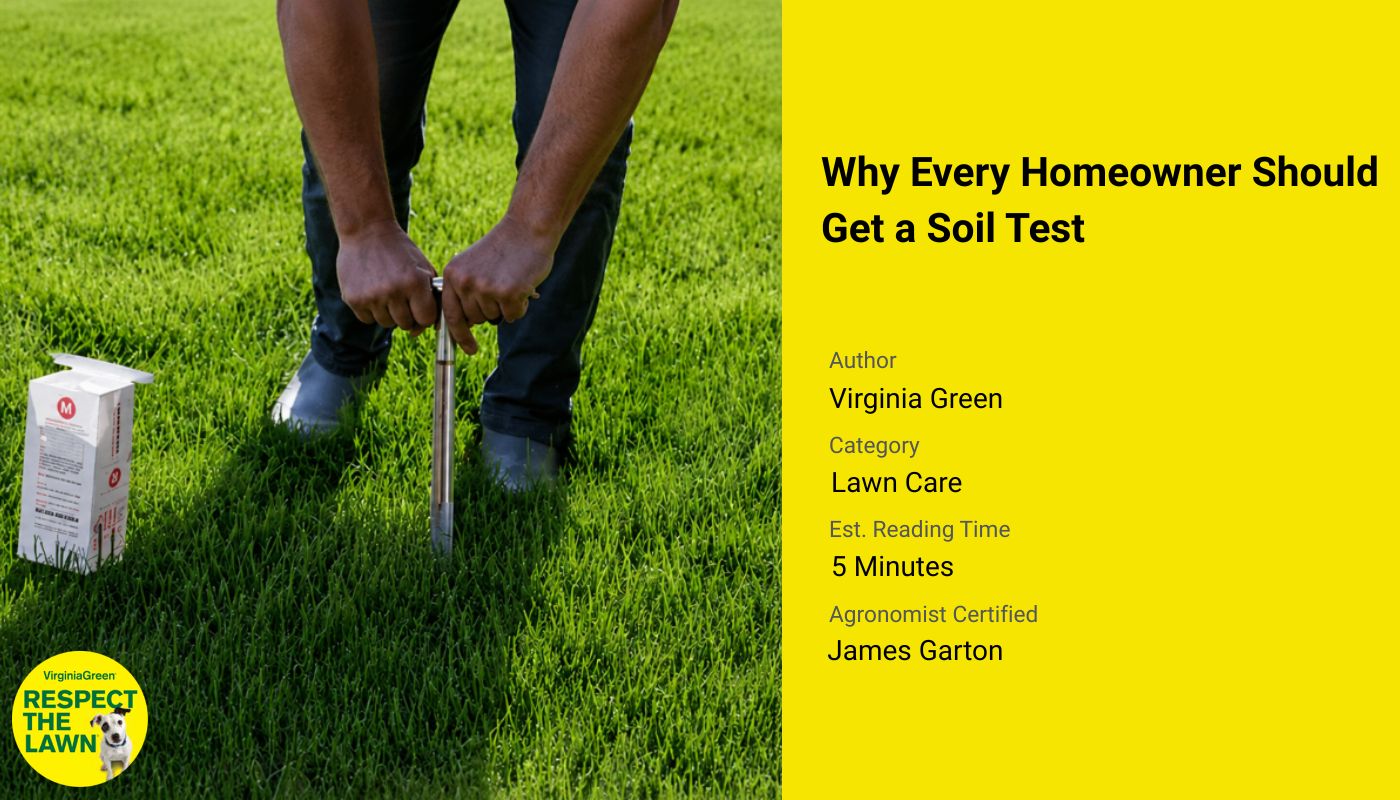
Have you ever wondered why your grass isn't as green and healthy as you think it should be? Oftentimes, soil is the answer.
Most homeowners focus on what they can see above the ground: grass color, weeds, bare spots, and overall lawn appearance. However, the real key to a healthy, thriving lawn lies beneath the surface. A professional soil test provides valuable insight into your lawn’s nutrient levels, pH balance, and overall soil health. This helping you to make informed decisions that lead to healthier and more fortified turf and better long-term results.
At Virginia Green, we believe every successful lawn care program starts with understanding the soil. A comprehensive soil test can uncover the root cause of many common lawn problems that lie beneath what you can actually see.
If you have ever wondered how or why to test soil pH and nutrients, this guide explains why soil testing matters and helps homeowners build healthier and stronger lawns. While there are do-it-yourself kits that show you how to test soil, the professional testing described below delivers more precise and actionable data. Learn more about soil science here.
Topics Index
- What Is a Soil Test and Why Does It Matter?
- What Can a Soil Test Tell You?
- How Soil pH Impacts Lawn Health
- Why Virginia Green Recommends Soil Testing
- Frequently Asked Questions
What Is a Soil Test and Why Does It Matter?
A soil test is one of the most valuable and overlooked tools available for evaluating lawn health. Rather than guessing what your lawn needs, soil testing provides scientific information about the condition of your soil. This helps determine whether your lawn has the right nutrient balance, proper pH, and suitable conditions for healthy grass growth.
A professional soil analysis can measure soil pH, nutrient levels, and organic matter. These results help identify what is happening below the surface so the right lawn care recommendations can be made and results can be seen above the surface.
Simply put, a soil test removes the guesswork from lawn care. In some cases, applying the wrong products can waste money or make soil imbalances worse.
What Can a Soil Test Tell You?
Many lawn problems begin below the surface long before symptoms become visible. A comprehensive soil test can reveal nutrient deficiencies, pH imbalances, and other hidden soil conditions that may be affecting turf performance.
Nutrient Deficiencies
When soil lacks nutrients like nitrogen, phosphorus or potassium, grass becomes thin, pale and more susceptible to disease and weed invasion. Conversely, over-applying fertilizer can waste money and harm the environment. A soil test pinpoints the right balance.
pH Imbalances
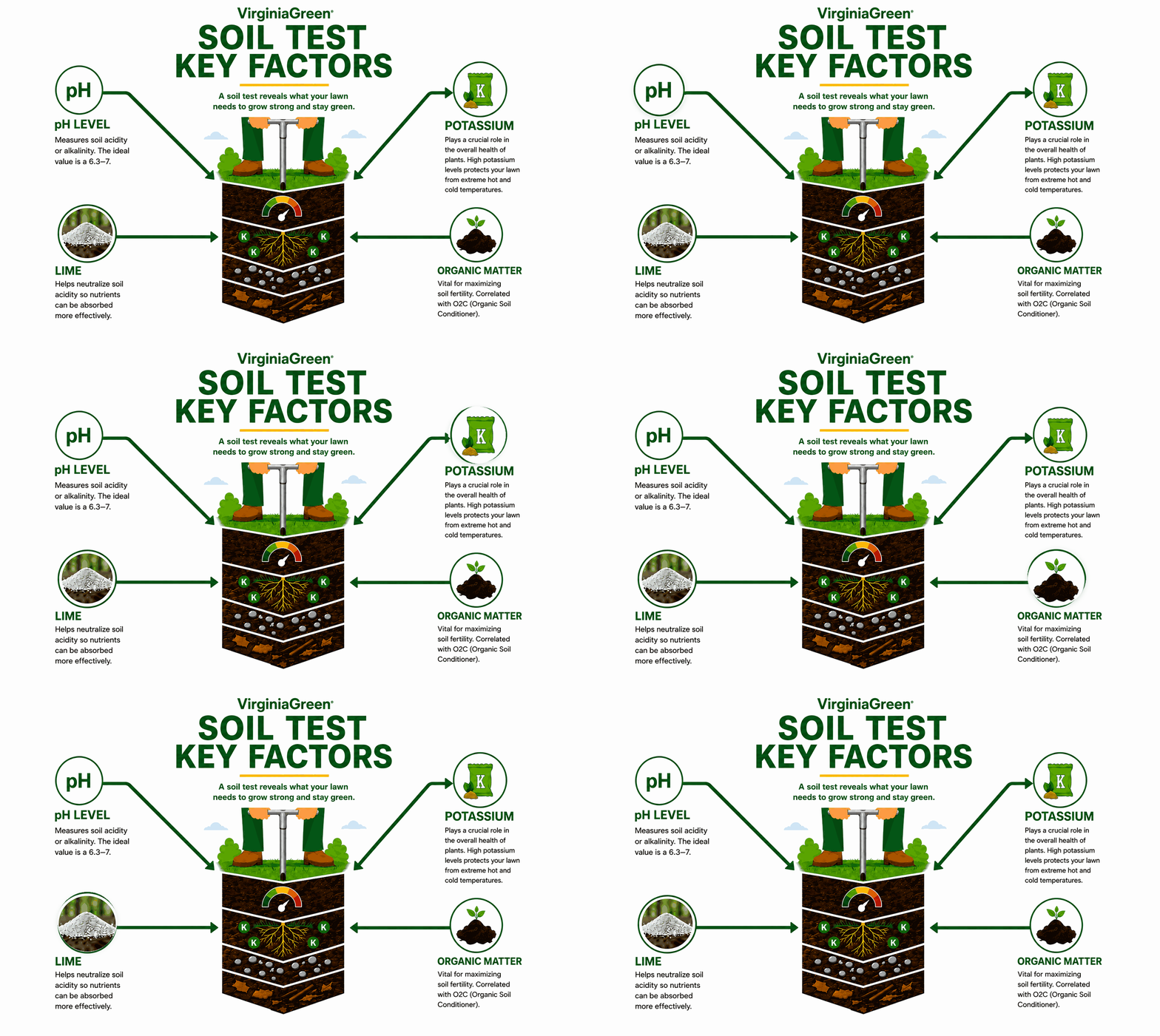
Cool-season grasses in Virginia perform best when soil pH is slightly acidic to neutral around 6.3–7.0. When soil is too acidic, nutrients become unavailable, roots struggle to grow and weeds can gain a foothold. If pH is too high, micronutrients can also lock up. Testing helps determine whether corrective lime or other amendments are needed. For homeowners researching how to test soil pH, a professional analysis reveals whether your lawn’s pH sits in the optimal range and can highlight when lime applications may be necessary.
Hidden Soil Problems
Compaction, low organic matter and poor nutrient availability often go unnoticed until the lawn declines. Soil analysis highlights these issues so you can address them before they become severe.
Learn More About Our Amendments
How Soil pH Impacts Lawn Health
pH influences every biological process in your lawn. In acidic soils below roughly 6.3, nutrients such as phosphorus and potassium can become insoluble, leading to nutrient lockout even when fertilizer is present. Applying dolomitic lime raises pH, supplies magnesium and unlocks nutrients, resulting in healthier, more vibrant grass. Conversely, soil that is too alkaline can also impede nutrient uptake. Regular testing allows you to keep pH in the optimal range for your grass species and climate.
Why Virginia Green Recommends Soil Testing
Every property has unique soil conditions. Instead of applying the same products to every lawn, Virginia Green bases its agronomic services on your soil’s precise needs. After analyzing your results, the team may provide a customized plan that could include: fertilizer adjustments, lime applications, organic soil conditioners or aeration services. This personalized approach ensures your lawn receives exactly what it needs to flourish, avoids wasting nutrients and supports long-term soil health.
Frequently Asked Questions About Soil Testing
Still wondering whether your lawn needs a soil test? These common questions can help explain how soil testing works and why it is such an important part of a successful lawn care program.