

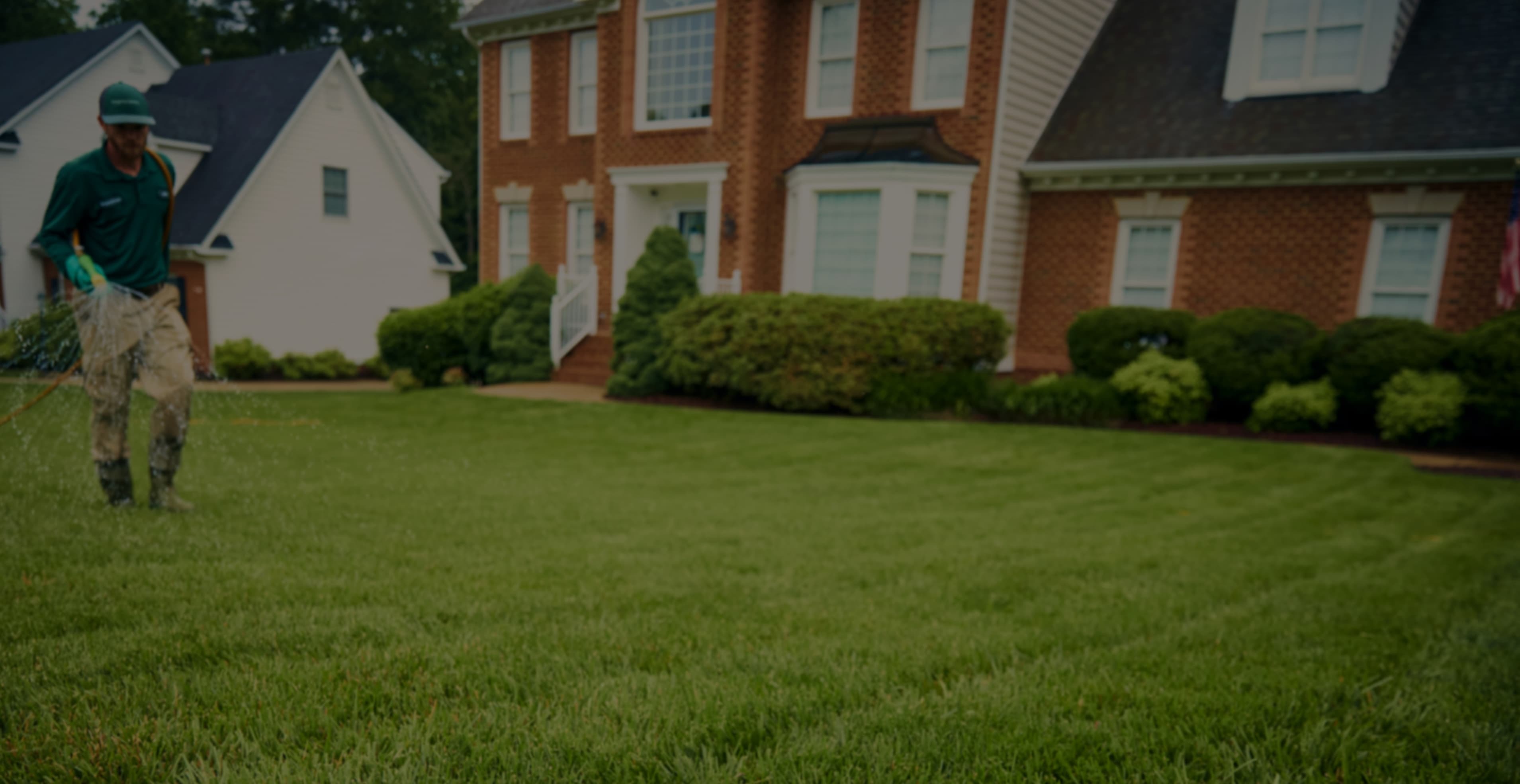
Best Lawn Care Services in Wake Forest, NC
There's no green like Virginia Green—the local pros for residential lawn care services in Wake Forest, NC. Enjoy complete, carefree residential lawn solutions, including fertilization, weed control, pest control, aeration and overseeding. All backed by our 100% satisfaction guarantee. Contact us and get a quote in 5 minutes or less.
Get Started with Your Local Lawn Care Experts
100% Satisfaction Guarantee

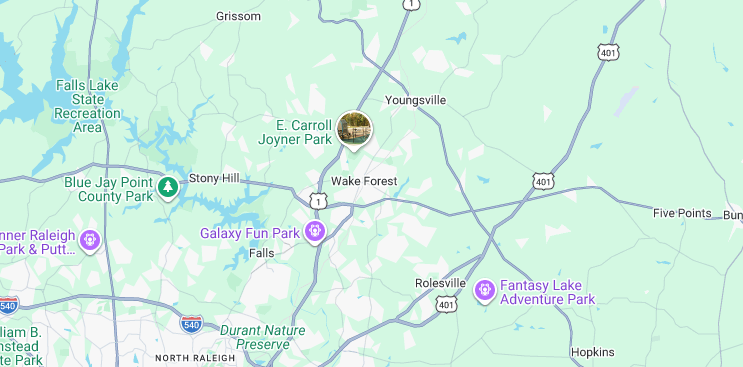
Virginia Green Lawn Care in Wake Forest, NC
Call today to schedule your free estimate: 919-521-4999
Your Local Lawn Treatment Pros–Backed by Science and Exceptional Service
Wake Forest homeowners can now experience the lawn care expertise that has made Virginia Green a trusted name for decades. Our local, certified technicians and in-house agronomists have over 20 years of experience creating personalized programs to treat diseases, eliminate weeds, and grow lush, healthy lawns.
Our Lawn Care Services in Wake Forest, NC
Virginia Green Referral Program
For every customer you refer who signs up with Virginia Green, you’ll receive a $50 credit toward your next service.
The customer you refer will receive $50 off their first service as well.
There’s no limit - refer as many friends and neighbors as you’d like.
Climate and Environmental Data for Wake Forest, NC Lawns
Wake Forest, NC's USDA Zone and Growing Conditions
Climate Characteristics
Best Grass Types in Wake Forest, NC
Greater Wake Forest transition-zone climate supports both cool-season and warm-season grass types that can perform well throughout the year. Virginia Green recommends grass varieties that are well suited to the region’s hot, humid summers, mild-to-cool winters, and varying soil conditions.
In addition to Tall Fescue, which is one of the most common grass types used in Raleigh-area lawns, here are other grasses that may be found in the region:
Kentucky Bluegrass — A fine-textured grass known for its rich color and ability to spread and fill in thin areas. It is often blended with Tall Fescue to improve turf density and appearance.
Perennial Ryegrass — A fast-germinating grass commonly used in seed blends to establish turf quickly and enhance lawn density.
Fine Fescue — A shade-tolerant grass that performs well in areas with limited sunlight and lower maintenance requirements.
Bermudagrass — A durable warm-season grass that thrives in full sun and handles heat, drought, and heavy foot traffic well. It is commonly used in athletic fields and sunny residential lawns throughout the Raleigh area.
Zoysiagrass — A dense, attractive warm-season grass valued for its heat tolerance, durability, and ability to create a thick lawn that resists weeds.
Weed Control Tips for Wake Forest, NC Lawns
From pre-emergent herbicides to proper mowing and mulch, taking a proactive approach ensures your lawn stays lush and beautiful all has-icon long. Here are weed control tips for your lawn:
- Start with Prevention — Apply pre-emergent herbicides in early spring to stop weeds like crabgrass before they sprout
- Target Persistent Weeds — Use post-emergent treatments during active growth for more effective control
- Mow at the Right Height — Keep your tall fescue grass at 3-4 inches tall to reduce weed growth and promote healthy grass. Bermuda 1.5 - 2 inches, Zoysia 2.5 - 3.5 inches.
- Mulch Garden Beds — Add a layer of mulch to block sunlight and prevent weed seeds from germinating
- Control Weeds in Gravel or Mulch Areas — Use landscape fabric and maintain regularly to keep weeds at bay
- Identify Invasive Weeds — Recognize local invaders like Bermuda grass to target them effectively and prevent spread