

The Importance of Warm-Season Aeration and its Long-Term Effects
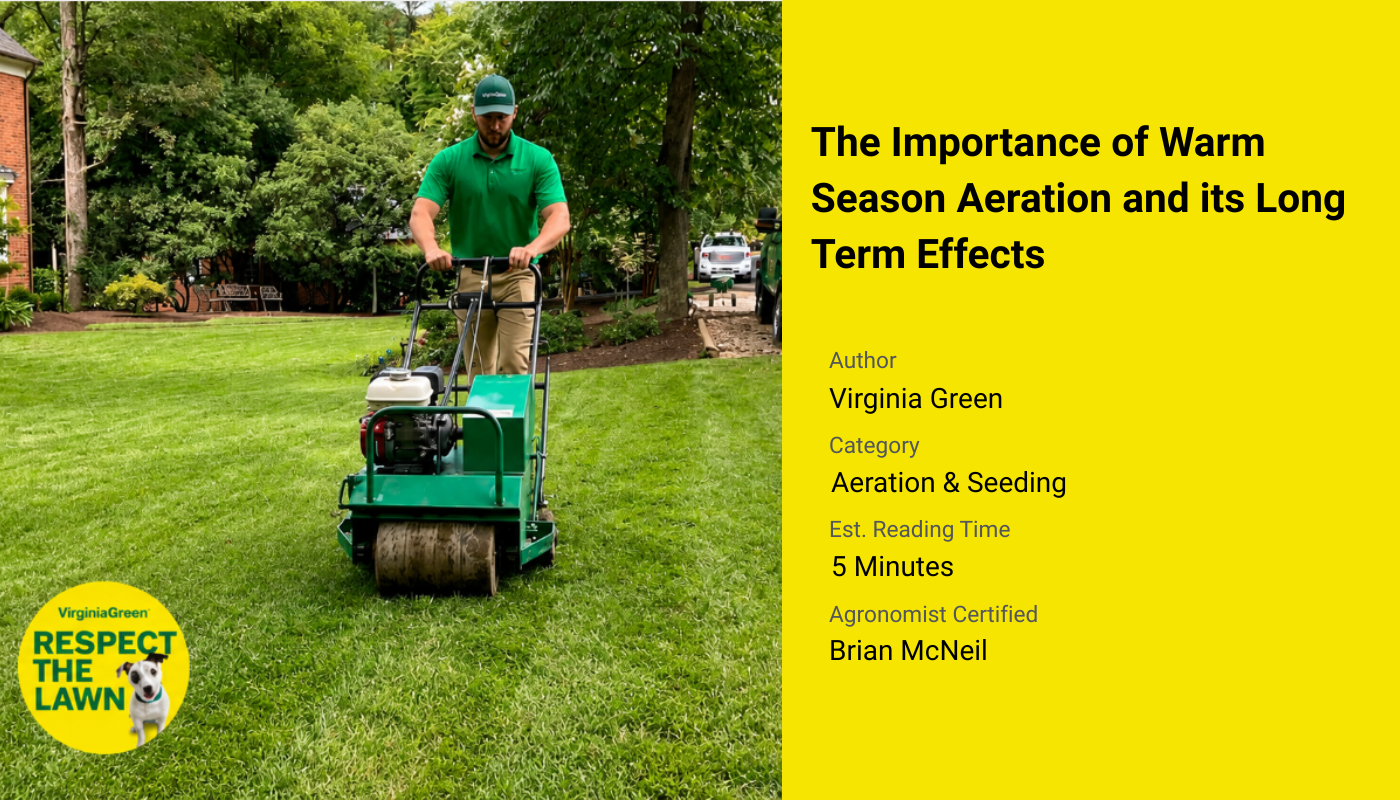
For homeowners with bermudagrass, zoysiagrass, or other warm-season turf, knowing when to aerate lawn areas can make a major difference in how well the grass recovers, spreads, and thickens during active growth. The best time to aerate lawn areas with warm-season grass is when the turf is actively growing and able to heal quickly, typically from Late Spring - Summer.
Topics Index
- Why Warm-Season Lawns Need Aeration
- When to Aerate Warm-Season Lawns
- Long-Term Benefits of Warm-Season Lawn Aeration
- How Virginia Green Supports Warm-Season Turf
- Frequently Asked Questions
Why Warm-Season Lawns Need Aeration
Warm-season grasses grow differently from cool-season lawns. Bermudagrass and zoysiagrass spread through runners, which allows them to fill in bare or thin areas when conditions are right. However, compacted soil can prevent that natural spreading habit from reaching its full potential.
To relieve compaction, Virginia Green uses deep root aeration, which creates deeper cores and helps reduce soil compaction. These openings allow oxygen, water, and nutrients to move more freely into the root zone. For warm-season lawns, this is especially valuable because the turf is actively growing during late spring through summer, making it better able to recover from stress and take advantage of improved soil conditions.
When to Aerate Warm-Season Lawns
As mentioned earlier, the best time to aerate warm-season lawns is typically late spring through summer, when the grass is actively growing. Aerating too early, before the lawn enters active growth, can slow recovery. Aerating too late in the season may not give the turf enough time to respond before cooler weather and dormancy begins.
For more information on when to aerate your lawn, click here.
Long-Term Benefits of Warm-Season Lawn Aeration
The benefits of aeration extend well beyond the day, week, or month service is performed. Over time, regular lawn aeration can help create a healthier growing environment that supports stronger turf year after year.
Warm-season aeration can help:
Improve root development by giving roots better access to oxygen and water.
Reduce soil compaction that limits turf growth and nutrient movement.
Encourage thicker turf by helping warm season grasses spread more effectively.
Improve drought tolerance by supporting deeper, stronger roots.
Increase the effectiveness of fertilization and other lawn care treatments.
Support faster recovery from summer stress, traffic, and thinning areas.
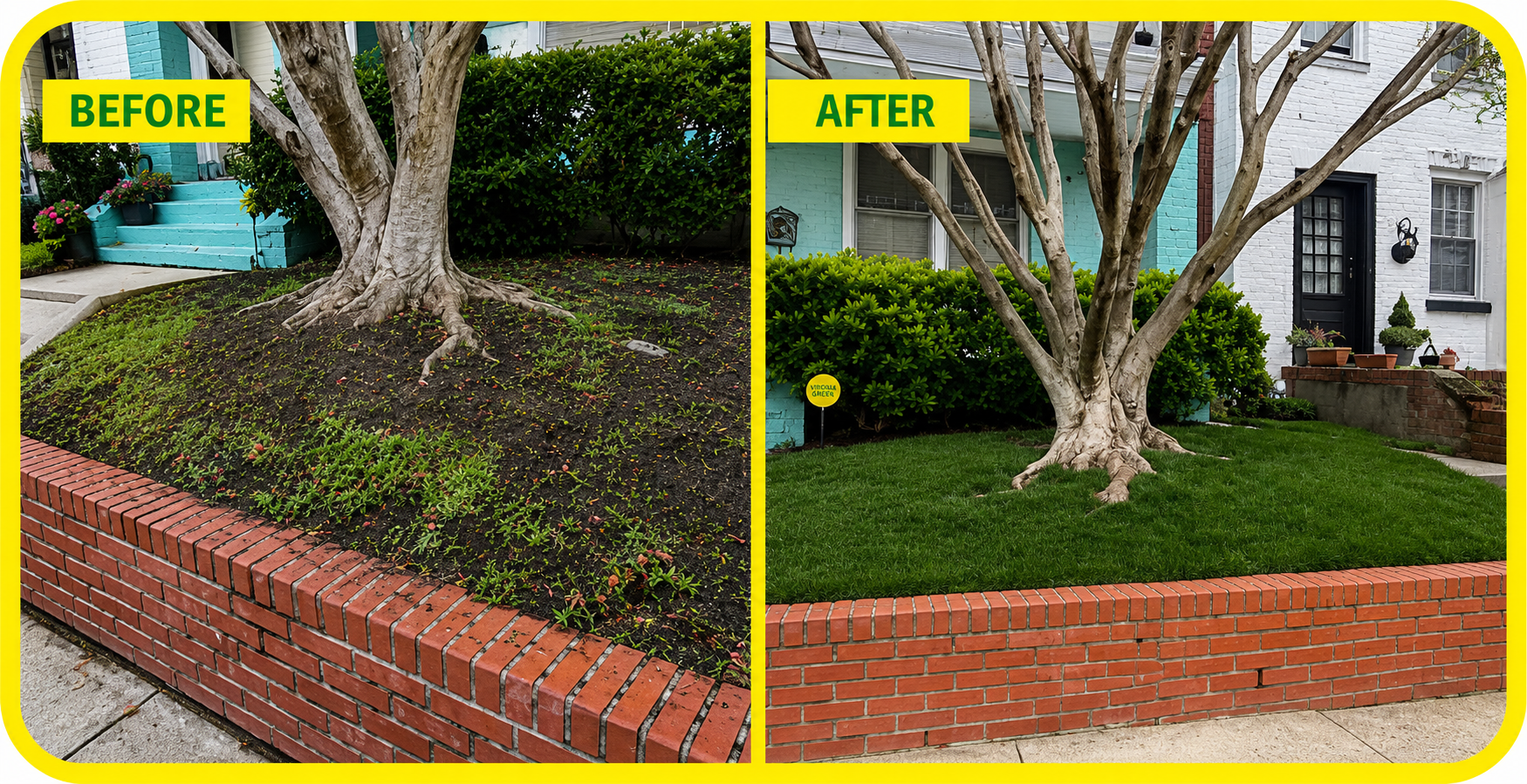
The long-term impact is a lawn that is better equipped to handle heat, wear, and seasonal stress. When homeowners ask when to aerate lawn areas for lasting results, the answer is simple: aerate during active warm-season growth and aerate annually to maximize results.
How Virginia Green Supports Warm-Season Turf
For many homeowners, the best time to aerate lawn areas is not always obvious. Virginia Green helps take the guesswork out of the process by recommending services based on turf type, seasonal timing, and lawn conditions.