Why Aeration is the Best Thing You Can Do for Your Lawn
Topics Index
- Why Aeration Matters
- Why Compacted Soil Causes Lawn Problems
- How Aeration & Overseeding Improves Turf Density
- Best Time for Aeration & Overseeding
- Frequently Asked Questions
Why Aeration Matters
A lawn can look thin, tired, or patchy even when it is being mowed and watered. Many times, the issue is not the grass itself. It is the soil underneath it.
Virginia lawns deal with a lot during the year. Foot traffic, pets, mowing, clay-heavy soil, summer heat, and regular outdoor activity can all press the soil down over time. When that happens, roots have less room to grow and water may have a harder time moving into the ground.
Core aeration helps correct that problem by removing small plugs of soil from the lawn. These openings give air, water, and nutrients a better path into the root zone. That makes aeration one of the most valuable services for improving long-term turf health.
Why Compacted Soil Causes Lawn Problems
Compacted soil can quietly hold a lawn back. Grass roots need space to spread. When the soil becomes dense, roots often stay shallow. Shallow roots make the lawn more vulnerable to heat, drought, weeds, and thinning.
You may be dealing with compacted soil if your lawn has:
- Hard ground
- Thin or patchy turf
- Bare areas
- Standing water after rain
- Heavy foot traffic areas
- Weak growth even after watering
- Poor recovery after summer stress
How Aeration & Overseeding Improves Turf Density
Aeration is helpful by itself, but aeration & overseeding gives the lawn an even bigger boost. Once the aerator opens the soil, new seed can settle into those holes and exposed soil areas.
That contact matters. Grass seed needs good seed-to-soil contact to germinate well. When seed sits on top of compacted soil or gets caught in existing grass blades, results can be uneven. Aeration creates better conditions for seed to establish.
Over time, thicker turf helps fill thin spots, improves the overall look of the lawn, and leaves less open space for weeds to move in.
Best Time for Aeration & Overseeding
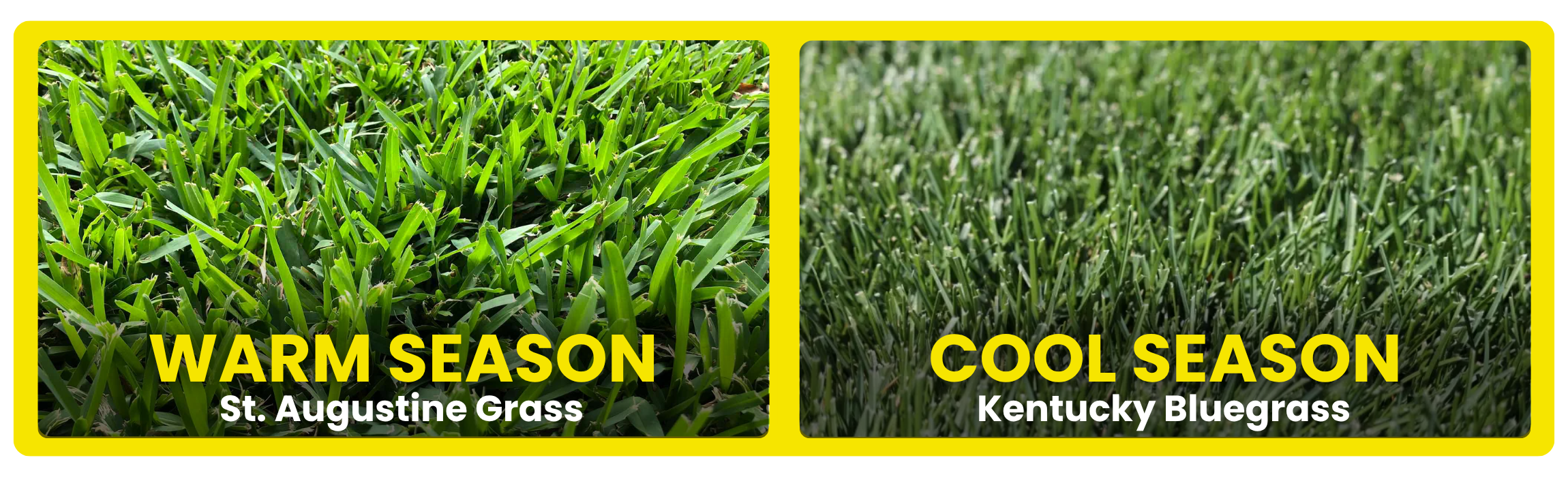
For many cool-season lawns in Virginia, the best time for aeration & overseeding is late summer through early fall. The soil is still warm, air temperatures begin to cool, and new grass has time to establish before winter.
Virginia Green’s lawn aeration services are timed around the needs of local lawns. Cool-season grasses, such as tall fescue, typically benefit from fall aeration and seeding. Warm-season lawns, such as Bermuda and zoysia, are usually aerated during active growth in late spring or summer.
Timing matters because seed needs the right growing conditions. Fall gives cool-season lawns a stronger window for germination, root development, and recovery after summer stress.