

Why Aeration and Seeding is One of Best Things You Can Do for Your Lawn
Topics Index
- Why Aeration Matters
- Why Compacted Soil Causes Lawn Problems
- How Aeration & Overseeding Improves Turf Density
- Best Time for Aeration & Overseeding
- The Virginia Green Difference
- Frequently Asked Questions
Why Aeration Matters
Mid-Atlantic lawns deal with a lot during the year. Foot traffic, pets, heavy use, and compacted regional soils can all contribute to soil compaction over time. When that happens, roots have less room to grow, and water may have a harder time soaking into the ground.
Deep root aeration helps correct that problem by removing small plugs of soil from the lawn. These openings give air, water, and nutrients a better path into the root zone. That makes aeration one of the most valuable services for improving long-term turf health.
Why Compacted Soil Causes Lawn Problems
Compacted soil can quietly hold a lawn back. Grass roots need space to spread. When the soil becomes dense, roots often stay shallow. Shallow roots make the lawn more vulnerable to heat, drought, weeds, and thinning.
You may be dealing with compacted soil if your lawn has:
- Hard ground
- Thin or patchy turf
- Bare areas
- Poor drainage or water that has difficulty moving into the soil
- Heavy foot traffic areas
- Weak growth even after watering
- Poor recovery after summer stress
How Aeration & Overseeding Improves Turf Density
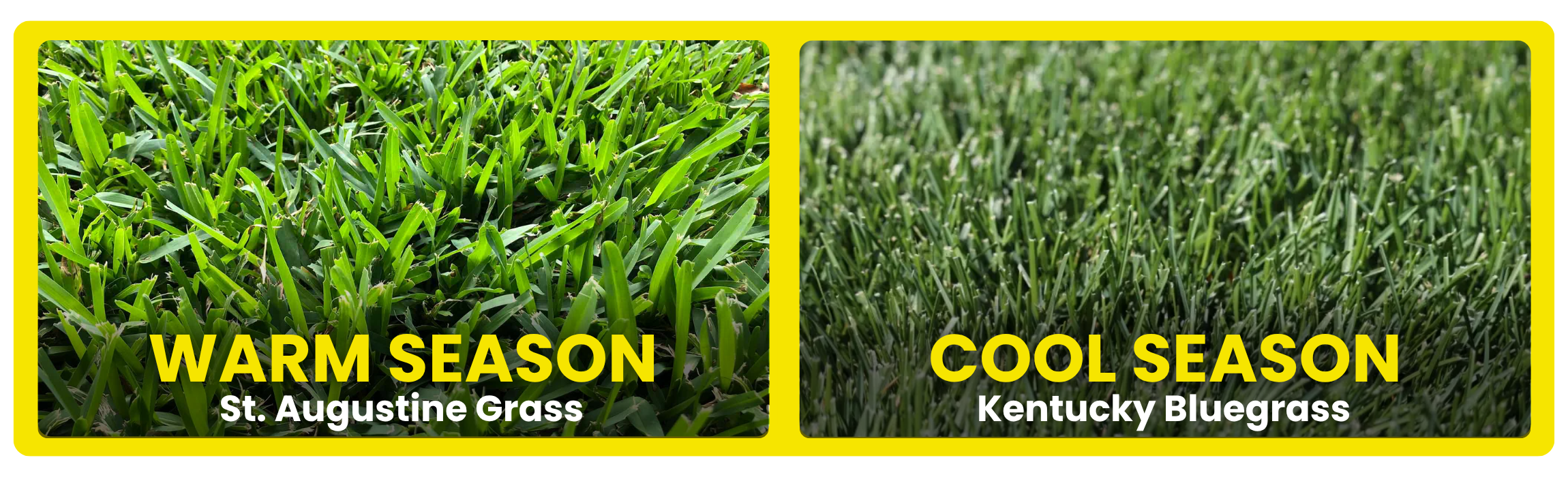
For cool-season lawns, combining aeration with overseeding can help improve turf density and fill thinning areas. Warm-season lawns typically benefit from aeration without annual overseeding. Once the aerator opens the soil, new seed can settle into those holes and exposed soil areas.
That contact matters. Grass seed needs good seed-to-soil contact to germinate well. When seed sits on top of compacted soil or gets caught in existing grass blades, results can be uneven. Aeration creates better conditions for seed to establish.
Over time, thicker turf helps crowd out weeds by reducing open areas where they can establish.
Best Time for Aeration & Overseeding
For many cool-season lawns in the region, the best time for aeration & overseeding is late summer through early fall. The soil is still warm, air temperatures begin to cool, and new grass has time to establish before winter. For warm-season lawns such as bermuda and zoysia, these are usually aerated during active growth in late spring or summer.
The Virginia Green Difference
At Virginia Green, we approach fall aeration and seeding differently:
- We use an exclusive custom blend of 100% weed-free seed engineered for Mid-Atlantic soil conditions.
- We use specialized equipment to core deeper into the soil, distribute seed more evenly, and maximize seed-to-soil contact for better germination.
- Our technicians take the time to focus on borders, corners, and other high-visibility areas that others may rush past, helping create a polished result across your entire lawn.
- We provide a complimentary follow-up visit, and a bag of touch-up seed to help ensure your lawn continues to thrive after treatment.
- Every lawn care, pest control, and tree and shrub program is backed by our 100% satisfaction guarantee. Not happy with the results? We will re-treat your yard free of charge for as long as it takes to get it right.