

Kentucky Bluegrass Identification Guide
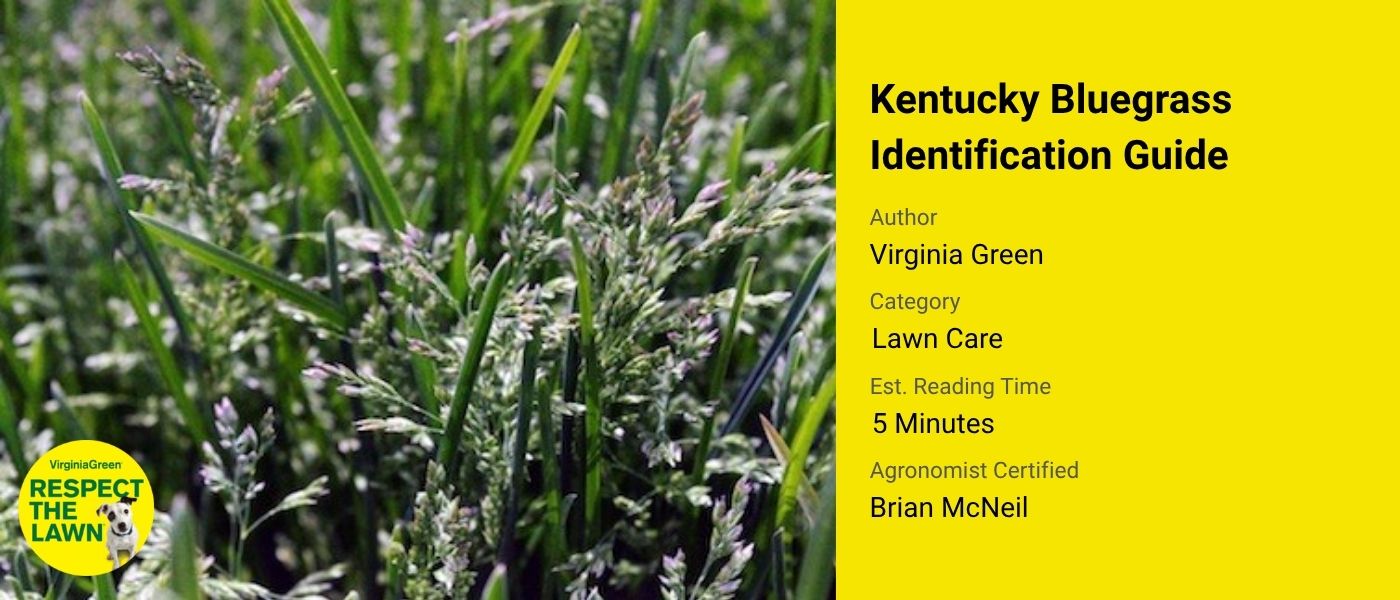
We have received many questions about the grass homeowners may be seeing in their lawns right now. In many cases, what you are noticing is Kentucky Bluegrass (KBG), which is common in many Virginia lawns. Most lawns in our area are actually a mixed stand of Tall Fescue and Kentucky Bluegrass, and in fact, our seed blend combines these two desirable cool-season grass types.
Because of that mix, it is completely normal for one grass type to become more noticeable at certain times of year. Seasonal changes in growth habit, texture, and seed production can make Kentucky Bluegrass stand out and raise questions for homeowners. The key is understanding what is normal, what is desirable, and how to tell the difference between Kentucky Bluegrass and lookalikes such as Poa annua.
Topics Index
- Kentucky Bluegrass in Virginia Lawns
- Why Seed Heads Are Normal
- Kentucky Bluegrass vs. Poa Annua
- Still Need Help Identifying Your Lawn?
Kentucky Bluegrass in Virginia Lawns
Kentucky Bluegrass is a common and desirable part of many lawns throughout Virginia. Since most lawns in our area are not made up of just one turf type, it is very common to see Kentucky Bluegrass growing alongside Tall Fescue. That mixture creates a healthy cool-season lawn and is one reason why parts of the lawn may occasionally look slightly different in texture, color, or growth pattern.
Homeowners often notice Kentucky Bluegrass more clearly at certain points in the season and assume something new is spreading. In many cases, that is not what is happening at all. Instead, the lawn is simply showing one of its normal turf components more prominently. Because our own seed blend includes both Tall Fescue and Kentucky Bluegrass, seeing KBG in your lawn is often a sign of a well-established cool-season stand rather than a weed issue.
The most important thing to remember is that Kentucky Bluegrass is a desired perennial grass. It belongs in the lawn, and it will continue to persist through the season. While it may stand out temporarily, that does not mean the lawn is in trouble.
Why Seed Heads Are Normal
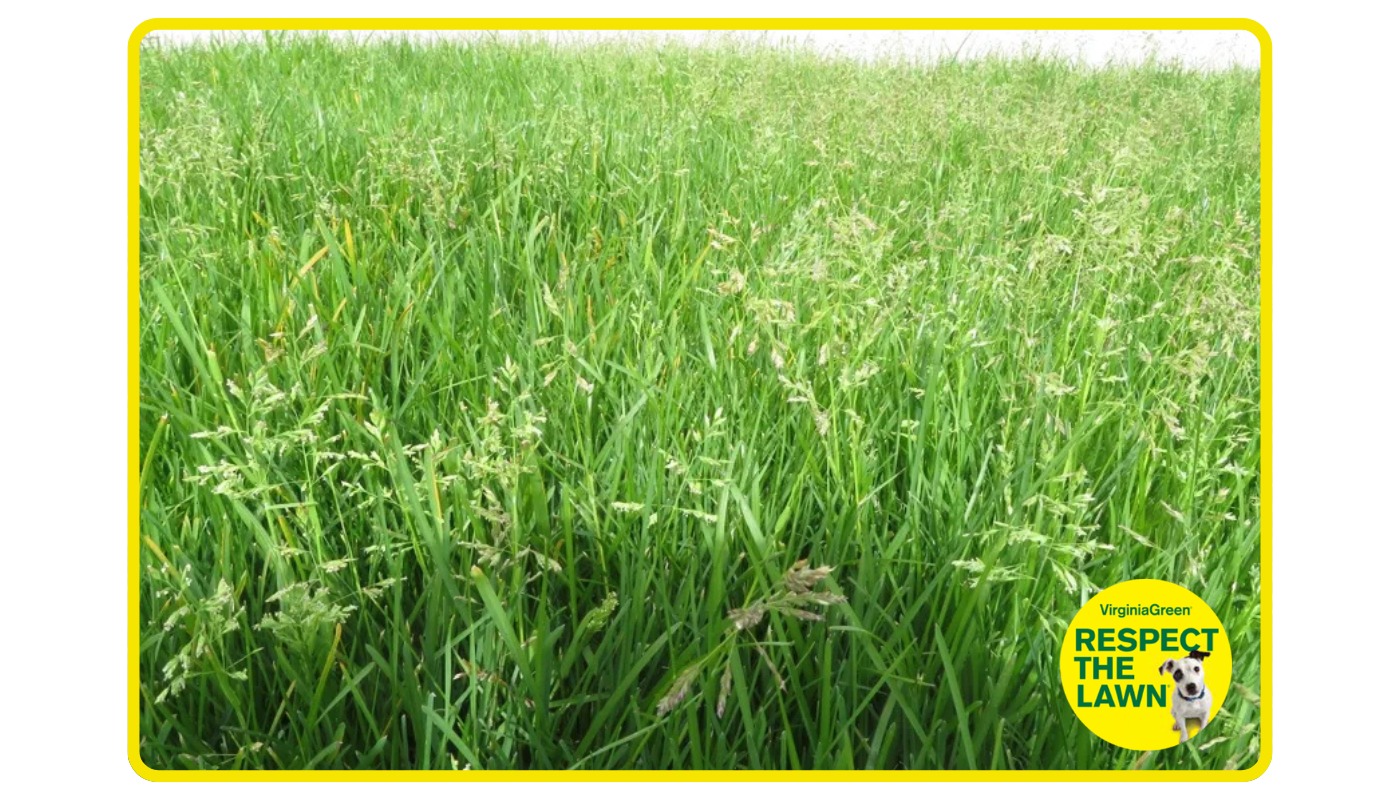
A lawn that is properly mowed at around 4 inches will often allow Kentucky Bluegrass—and sometimes even Tall Fescue—to produce a seed head. This is completely normal and is simply the natural reproductive phase of the grass plant. While these seed stalks may make the lawn look uneven or slightly rough for a short period, they are not a sign that something is wrong.
Seed heads often become more noticeable in spring when grass growth is active and mowing height allows those stems to rise above the turf canopy. That visual change can catch homeowners off guard, especially if the lawn looked more uniform only a week or two earlier. Fortunately, this phase is temporary. After a few weeks, the seed stalks will diminish and the lawn will begin to even back out again.
This is one of the most common seasonal questions we receive. Because the lawn can suddenly look different, many people assume it is a weed or some kind of problem grass. In reality, in many cases it is simply Kentucky Bluegrass doing exactly what it is supposed to do.
Kentucky Bluegrass vs. Poa Annua
One of the biggest points of confusion is the difference between Kentucky Bluegrass and Poa annua. Although they may appear similar at a quick glance, they behave very differently. Kentucky Bluegrass, also known as Poa pratensis, is a desired perennial that will persist throughout the growing season. Poa annua, on the other hand, is an annual grassy weed that will begin to yellow as warmer temperatures approach and will eventually die this summer.
Location and growth habit can also help distinguish the two. Kentucky Bluegrass is usually scattered more naturally throughout the lawn. Poa annua is more often found along driveway edges, sidewalks, and hardscape borders. It also tends to be shorter and clumpier, while Kentucky Bluegrass has a more upright growth habit. If what you are seeing is staying green, standing upright, and blending throughout the lawn, it is much more likely to be Kentucky Bluegrass than Poa annua.
Another important clue is seasonal decline. If the patch is already starting to yellow as temperatures rise, that is a strong indicator of Poa annua. Kentucky Bluegrass should not be yellowing in the same way and will continue to perform as a perennial part of the lawn.
Still Need Help Identifying Your Lawn?
Lawn identification can be difficult, especially when desirable cool-season grasses and annual grassy weeds look similar during seasonal transitions. If you are still having trouble determining whether you have Kentucky Bluegrass or Poa annua in your lawn, the best next step is to have a professional take a look.
Accurate identification matters because it affects how the lawn should be managed. A normal flush of Kentucky Bluegrass seed heads does not require the same response as an annual grassy weed problem. Knowing the difference can help prevent unnecessary concern and make sure your lawn care plan stays focused on what the lawn actually needs.
If you are unsure what you are seeing, give us a call at Virginia Green. We are happy to help identify what may be growing in your lawn and can provide a free estimate for lawn care services.
Frequently Asked Questions About Kentucky Bluegrass
Still trying to tell the difference between Kentucky Bluegrass and Poa annua? These common questions can help clarify what you are seeing in your lawn and whether it is a normal part of spring growth.