

How to Fight Winter Weeds for a Better Lawn in Spring
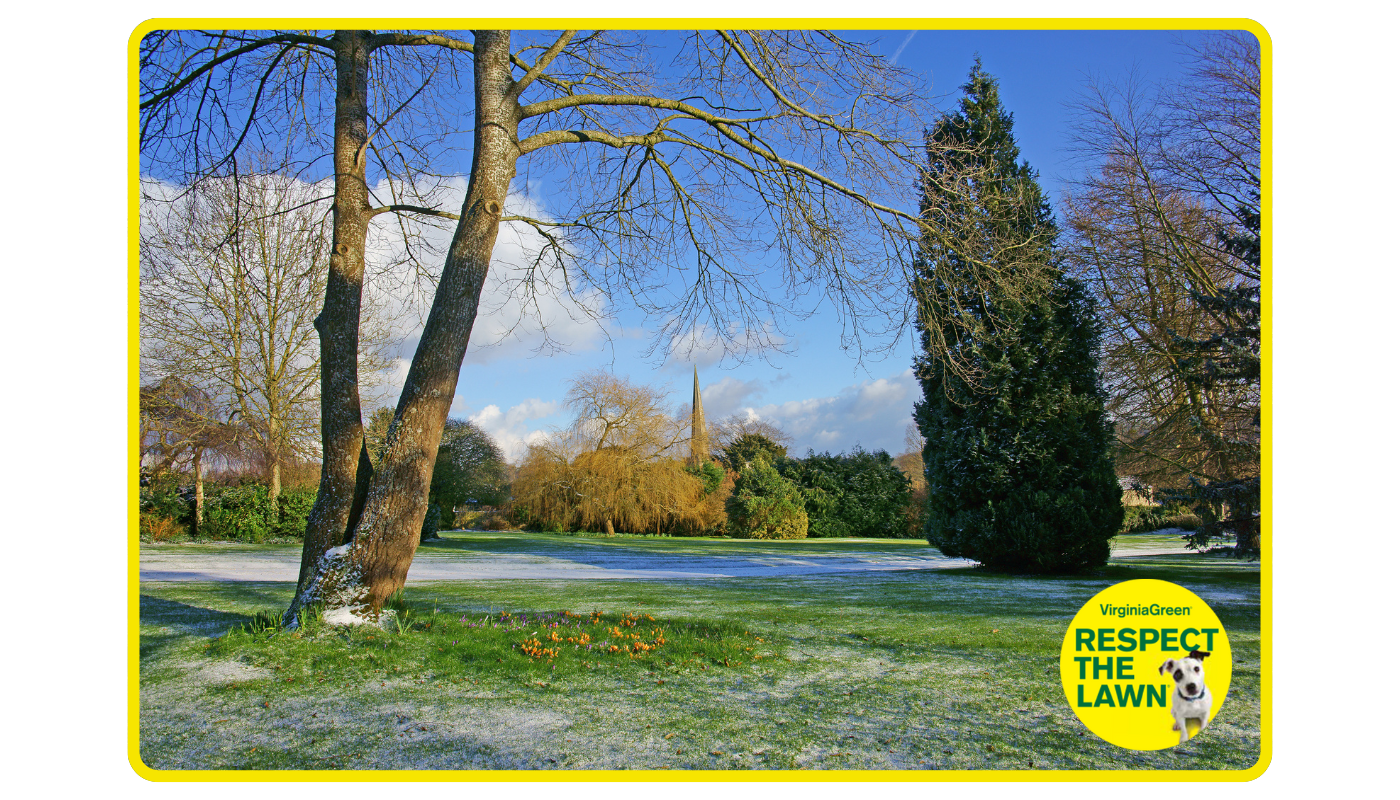
Weeds can cause a major disturbance in your lawn during the winter. Not only do they look unsightly, but they can interrupt turf growth by outcompeting grasses. When combatting any weed, the first step is turf management.
Topic Index
- How to Prepare for Winter Weeds
- Common Winter Weeds
- Why Do I See Weeds during the Winter?
- Using Aeration and Seeding to Battle Weeds
- Beating Winter Weeds
How to Prepare for Winter Weeds
Preparing for a strong lawn in the Spring and Summer demands year-round action. The more you find yourself fighting winter weeds, the less time you’ll have to grow the healthy, thriving lawn of your dreams. At Virginia Green, we recommend a complete lawn care regiment that spans the entire year, including postemergent weed control to attack winter weeds before they have a chance to proliferate.
Common Winter Weeds
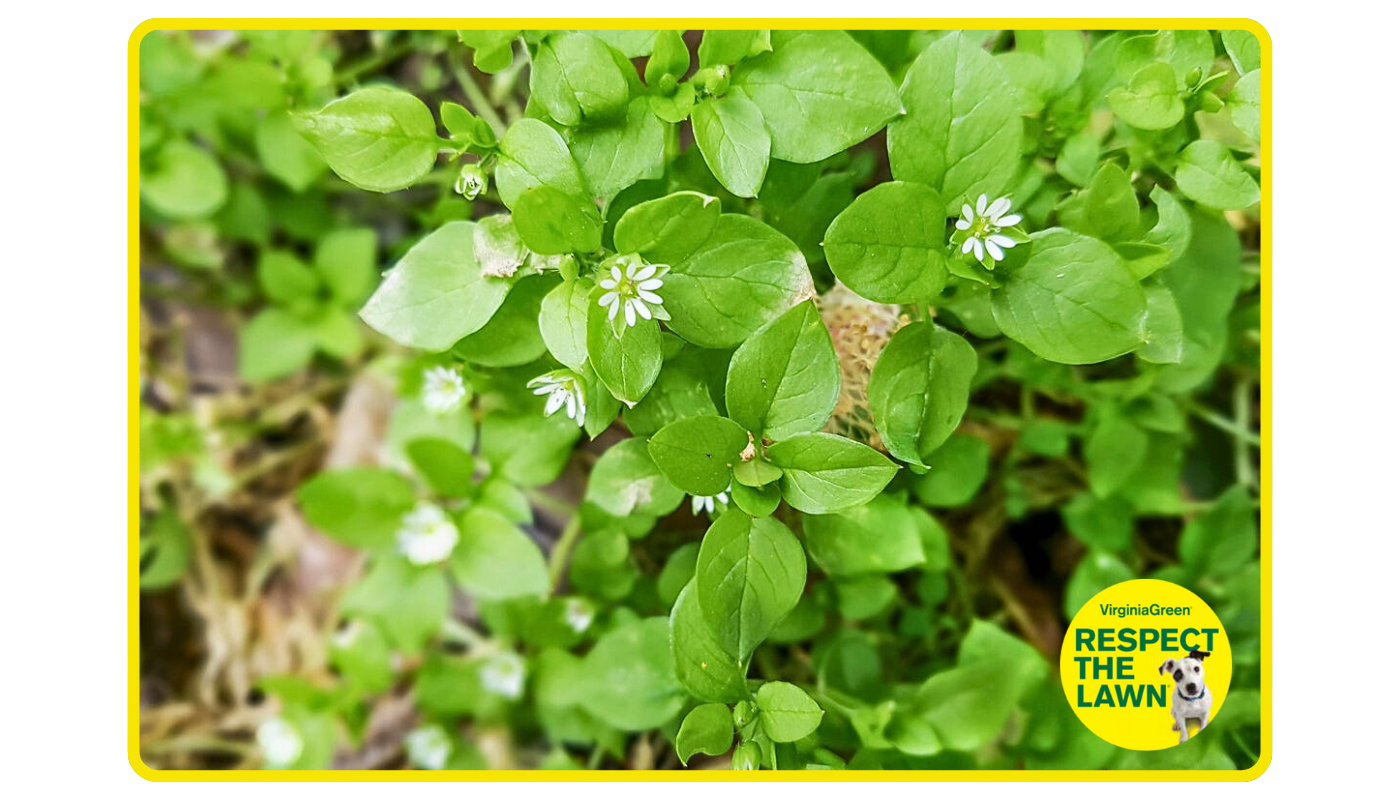
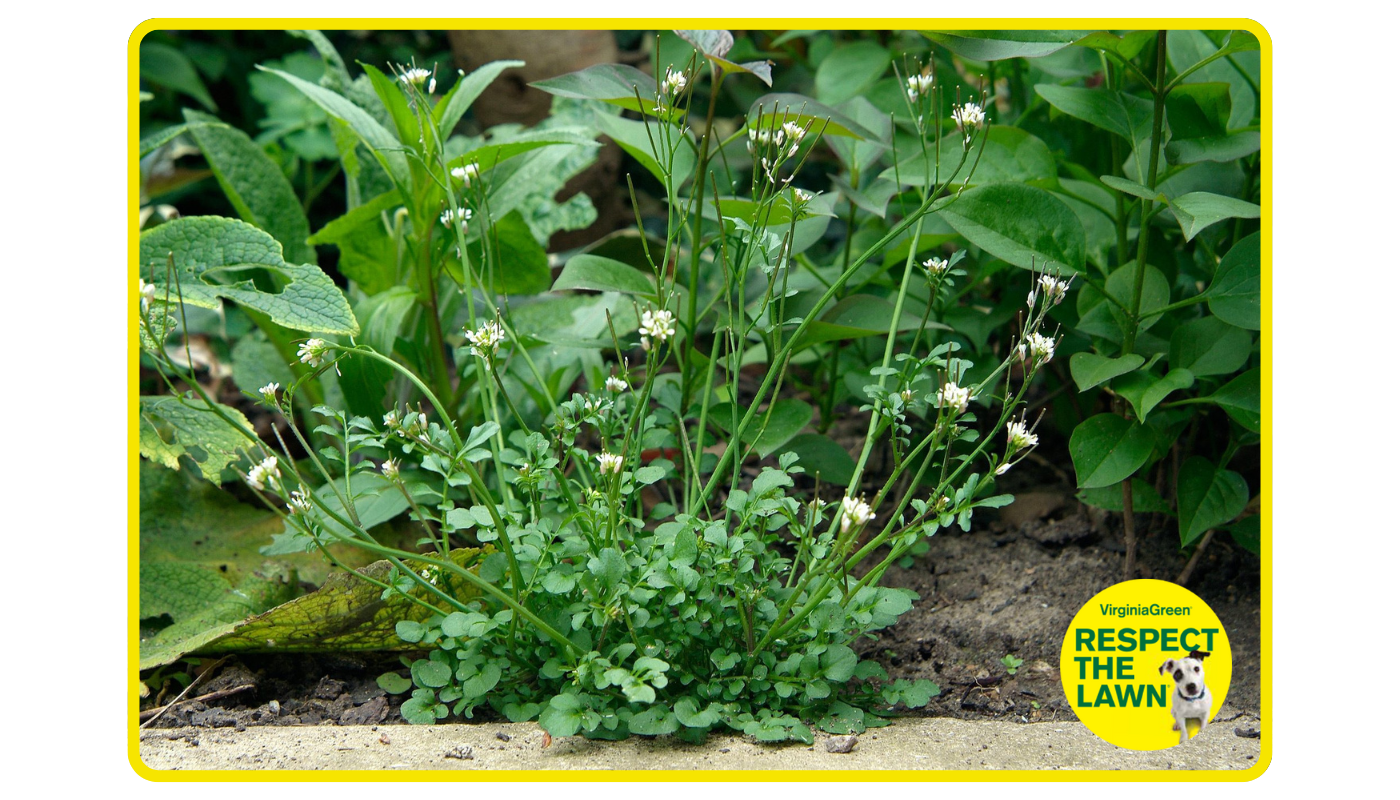
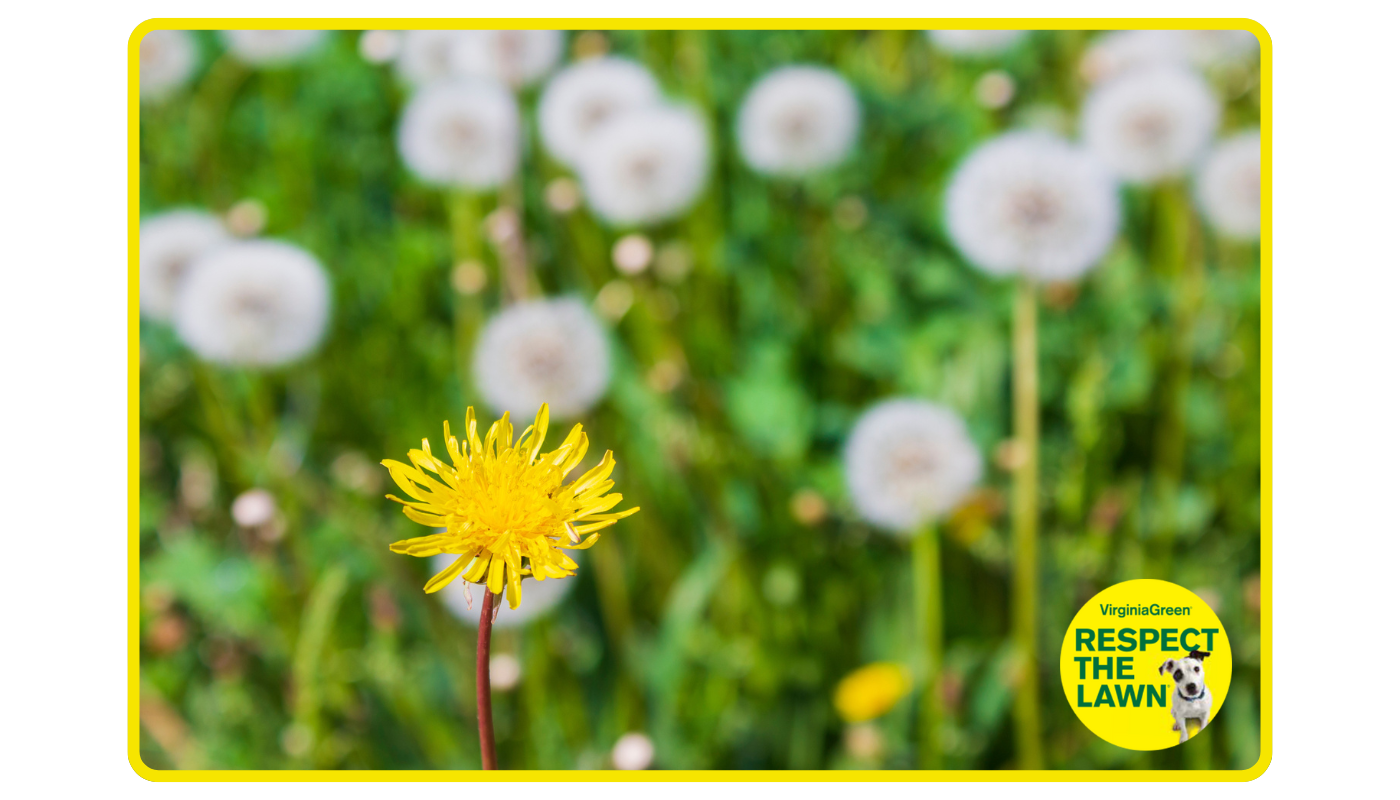
Many weeds go dormant in the winter, cementing themselves in the ground before growth with the warmer weather. If you are in an area where winter temperatures are variable, you may see the proliferation of some weeds, such as Chickweed, Henbit, Bittercress or Dandelion.
Why Do I See Weeds During the Winter?
Seeing weeds in your yard during the winter can be due to a handful of reasons. Winter annuals, like Bittercress and Chickweed germinate in the fall and “rest” in a dormant state as a small plant in the winter. These winter annuals will then begin their growth journey in the spring as temperatures rise, eventually producing flowers and then seeds, begininning the growth process all over again. Other reasons for the proliferation of weeds in your yard during the winter include warmer temperatures, spurning vegetative growth.
Using Aeration and Seeding to Battle Weeds
Weeds can cause a major disturbance in your lawn during the winter. Not only do they look unsightly, but they can interrupt turf growth by outcompeting grasses. When combatting any weed, the first step is turf management. With proper, year-round lawn care (especially from an industry-leading company like Virginia Green) you can bolster turf density. With a thick stand of grass weeds will not be able to grow as well as they would in areas with thin grass.
Using aeration and overseeding is among the most important steps to a fuller lawn. Aerating a lawn is the cultural practice of removing plugs from the lawn—making small holes in the soil to reduce compaction and allow oxygen, water, and nutrients to reach the grass roots. This process will prime your lawn for seeding, building the foundation for thick, healthy turf.
Beating Winter Weeds
Even with the right year-round lawn care, aeration and seeding and proper lawn care, weeds can emerge. When this happens, we recommend not to panic but instead focus on what you can control. Remove the weeds from their root when possible. If there are too many weeds to control by hand, utilize Virginia Green’s year-round estate plan which uses preemergent weed control in the early spring to bring your yard back to perfect health!