

Frost on the Lawn? Keep Off the Grass!
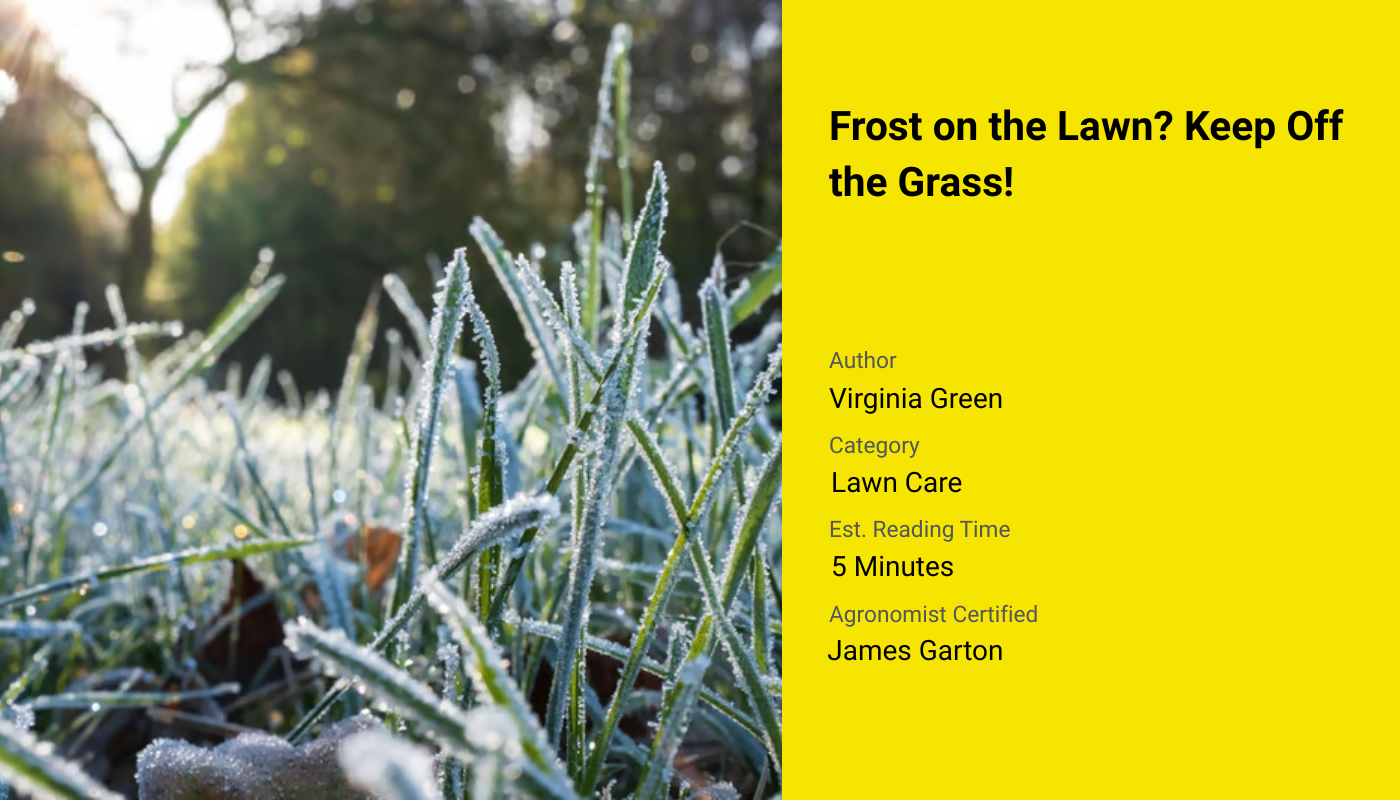
Crisp mornings, sparkling frost, and... don't even think about stepping on your lawn! Yes, the delicate beauty of frost might tempt you, but those shimmering crystals hold a surprising secret: they can wreak havoc on your beloved grass.
Why Walking on Frost Hurts Your Lawn
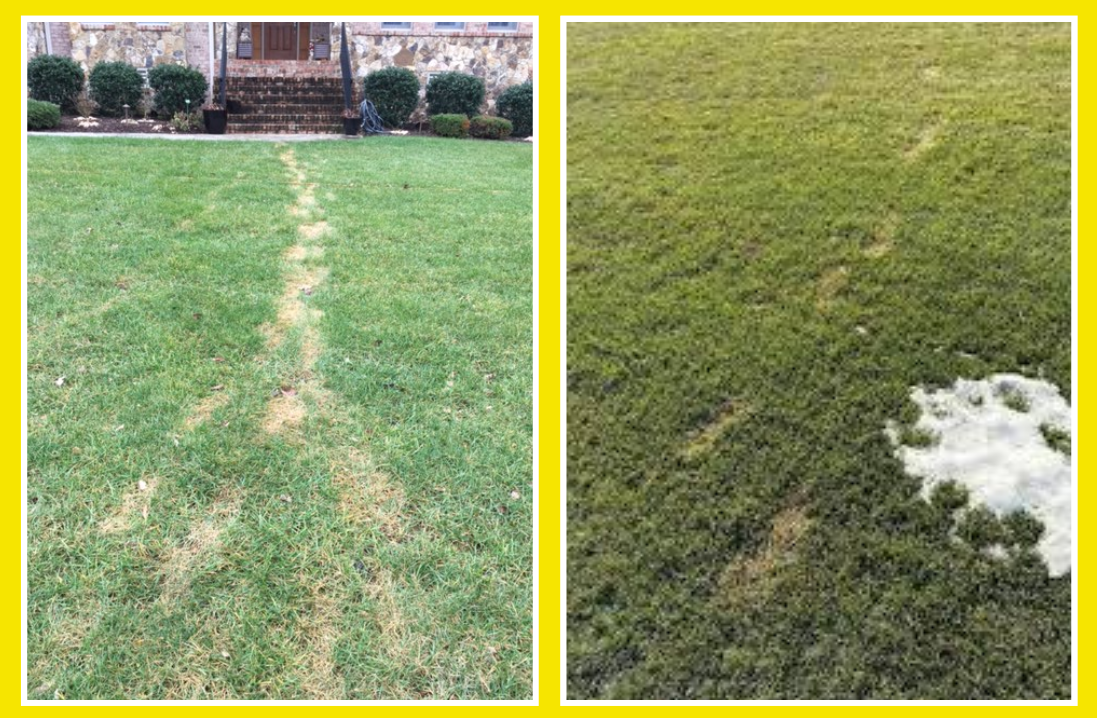
Underneath the ethereal glitter, frost hides tiny ice daggers. When you walk on this frozen landscape, these daggers pierce delicate grass blades, leaving behind microscopic wounds. Though frost usually melts by midday, the damage is already done. Brown patches emerge, weakening your lawn's resilience against upcoming winter stress.
Keep Your Lawn Green, Even When It's Freezing
Protect your emerald oasis by adopting these frost-friendly habits:
- Wait until it thaws: Avoid walking on frosty grass until the sun melts the icy crystals.
- Plan your path: Stick to sidewalks or designated pathways until your lawn is frost-free.
- Boots on the ground: If crossing the lawn is unavoidable, opt for soft-soled footwear to minimize pressure on the blades.
Beyond Frost: Lawn Care for a Thriving Spring
Don't let the winter chill lull you into lawn care hibernation! This is prime time for setting your turf up for success next spring. Here are two myths to debunk:
_______________________________________________________________________________________________________
Myth: Fertilizing after the first frost is useless
Fact: Autumn fertilizers feed root growth, strengthening your lawn's foundation for future seasons
_______________________________________________________________________________________________________
Myth: Lawns don't grow in the winter, so there's no point in watering
Fact: Lawn roots remain active, even in the winter. Furthermore, dry spells can damage roots and weaken the lawn's ability to recover come spring. Watering during mild periods provides essential hydration for your lawn.
_______________________________________________________________________________________________________
Ready for a Lawn that Beats the Frost and Beyond?
Virginia Green understands the unique needs of Virginia lawns. We offer expert fall lawn care services, including aeration, seeding, and fertilization, to ensure your turf emerges from winter stronger and greener than ever.
Don't just let your lawn survive the cold—thrive in it! Contact Virginia Green today for a free lawn care estimate and discover how we can help you achieve a championship-caliber lawn year-round.