


Best Lawn Care Services in Wilmington, North Carolina
There's no green like Virginia Green—the local pros for residential lawn care services in Wilmington, North Carolina. Enjoy complete, carefree residential lawn solutions, including fertilization, weed control, pest control, aeration and overseeding. All backed by our 100% satisfaction guarantee. Contact us and get a quote in 5 minutes or less.
Get Started with Your Local Lawn Care Experts
100% Satisfaction Guarantee

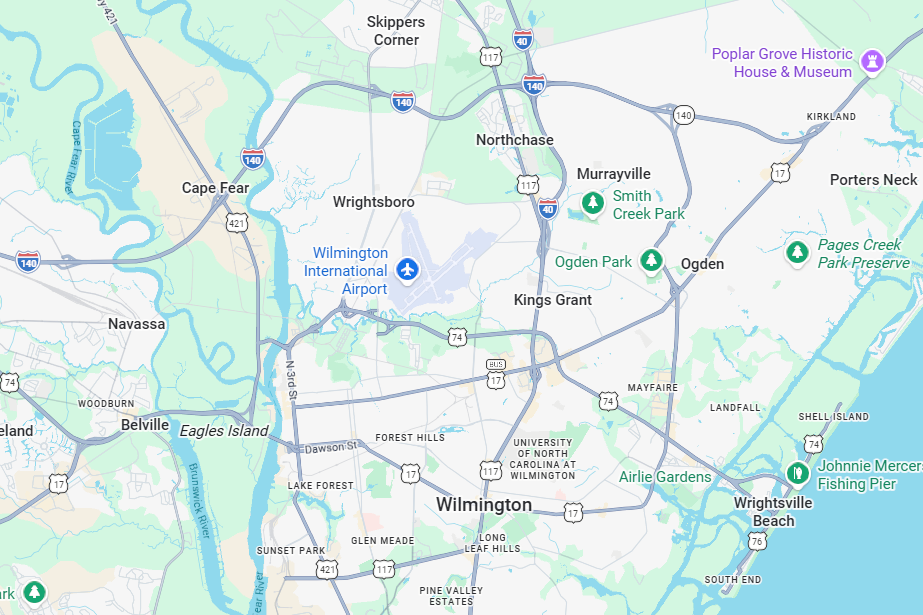
Virginia Green Lawn Care in Wilmington, North Carolina
Call today to schedule your free estimate: 910-769-2818
Your Local Lawn Treatment Pros–Backed by Science and Exceptional Service
Wilmington, NC homeowners can now experience the lawn care expertise that has made Virginia Green a trusted name for decades. Our local, certified technicians and in-house agronomists have over 20 years of experience creating personalized programs to treat diseases, eliminate weeds, and grow lush, healthy lawns.
Our Lawn Care Services in Wilmington, North Carolina
Virginia Green Referral Program
For every customer you refer who signs up with Virginia Green, you’ll receive a $50 credit toward your next service.
The customer you refer will receive $50 off their first service as well.
There’s no limit - refer as many friends and neighbors as you’d like.
Climate and Environmental Data for Wilmington, North Carolina Lawns
Wilmington, North Carolina's USDA Zone and Growing Conditions
Climate Characteristics
Best Grass Types in Wilmington, North Carolina
Greater Wilmington's coastal climate is ideal for warm-season grasses that thrive in hot, humid conditions and sandy soils. Virginia Green recommends grass varieties that perform well in the region's extended growing season, abundant sunshine, and coastal environment.
In addition to Bermudagrass, which is one of the most common lawn grasses in the Wilmington area, homeowners may also have:
- Centipedegrass — A low-maintenance warm-season grass that performs well in acidic, sandy soils and requires less fertilizer than many other turf varieties.
- Zoysiagrass — A dense, attractive warm-season grass known for its excellent heat tolerance, durability, and ability to naturally resist weeds while creating a thick, carpet-like lawn.
- St. Augustinegrass — A coarse-textured warm-season grass that performs well in coastal environments and offers better shade tolerance than bermudagrass, making it a popular choice for many Wilmington landscapes.
- Tall Fescue — A cool-season grass occasionally found in shaded areas or older lawns but generally less suited to Wilmington's prolonged summer heat and humidity.
Weed Control Tips for Wilmington, North Carolina Lawns
From pre-emergent herbicides to proper mowing and irrigation, taking a proactive approach helps keep your coastal lawn healthy year-round. Here are weed control tips for Wilmington lawns:
- Start with Prevention — Apply pre-emergent herbicides in late winter or early spring to prevent summer annual weeds like crabgrass and goosegrass before they emerge.
- Target Existing Weeds — Treat actively growing weeds with post-emergent herbicides before they spread throughout your lawn.
- Mow at the Proper Height — Maintain the correct mowing height for your grass type to encourage dense turf that naturally crowds out weeds.
- Bermudagrass: 1.5–2 inches
- Centipedegrass: 1.5–2 inches
- Zoysiagrass: 2–3 inches
- St. Augustinegrass: 3–4 inches
- Water Deeply, Not Frequently — Sandy coastal soils drain quickly, so deep, infrequent watering encourages stronger root systems while helping reduce weed pressure.
- Mulch Landscape Beds — Apply mulch around trees, shrubs, and flower beds to block sunlight and reduce weed germination.
- Watch for Coastal Weeds — Common Wilmington weeds include crabgrass, goosegrass, dollarweed, chamberbitter, spurge, Virginia buttonweed, nutsedge, and doveweed. Identifying and treating them early helps prevent larger infestations.
These updates better reflect Wilmington's coastal plain, sandy soils, long warm-season growing period, and the grass types actually found throughout southeastern North Carolina.