

Where Do Bugs Go in the Winter?
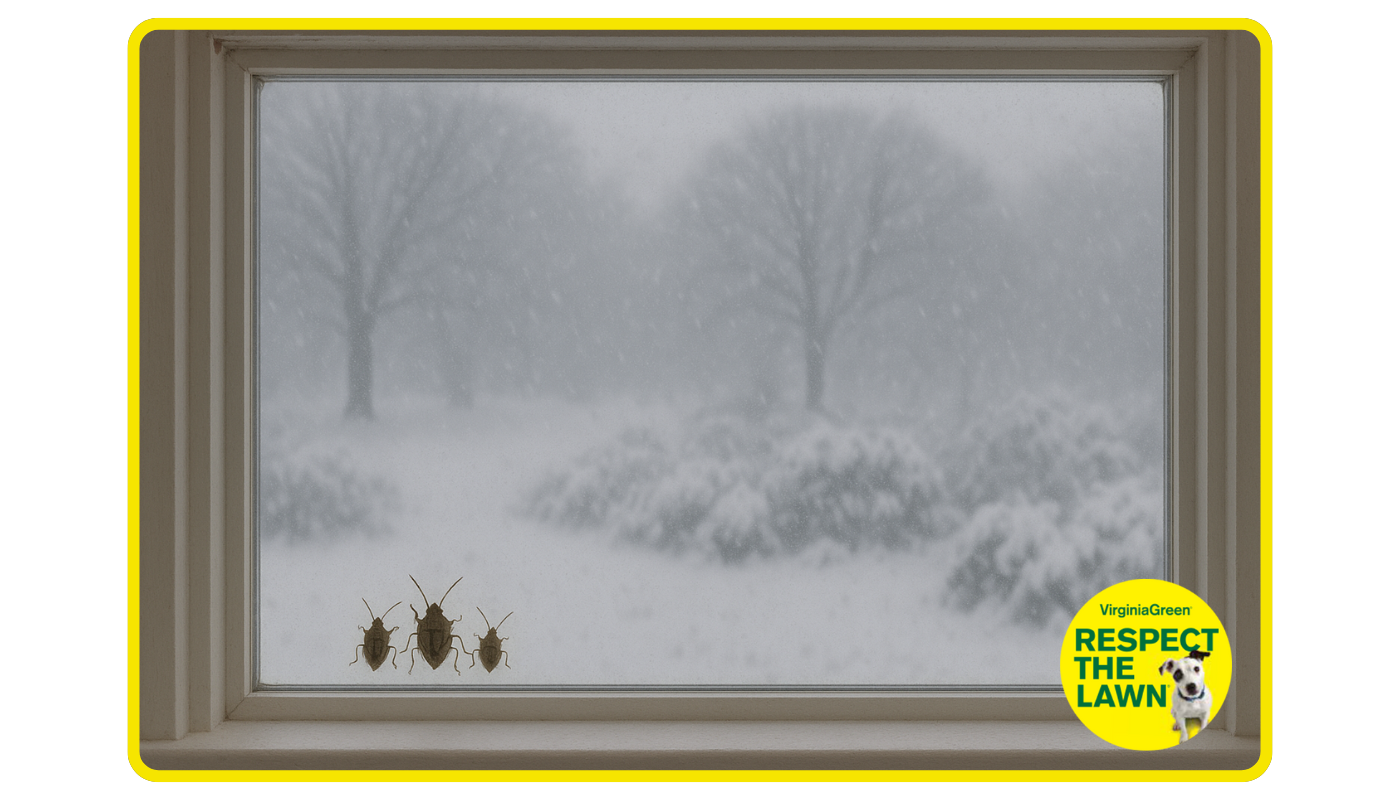
The cold weather is hard enough but having pests like stink bugs in your house in the winter makes it even harder. Read below on the best ways to combat pests like these and learn about Where bugs go in the winter.
Topics Index
- Do bugs die in the winter?
- Why your yard is a hibernation station
- Why you see stink bugs in your house in the winter
- Not a Ladybug - How to “spot” the Asian Lady Beetle
- What to do if Winter Insects are Bugging You
- Final Thoughts
Do bugs die in winter?
If you thought all the buzzing, biting and scratching was over until next spring and summer, you are partially correct. The bugs may not be crawling or flying around, but contrary to popular belief, all bugs do not die in the winter.
When the weather turns colder, bugs that don’t migrate to warmer weather seek shelter in protected spots like leaf piles, soil, or tree bark. Bugs will also look for places to stay warm in structures like attics, basements, and garages. Some others go into a dormant state called diapause, which is similar to hibernation.
If you don’t see any bugs, that doesn’t mean that they have flown south for the winter. Many insects survive the winter in the egg stage, and the eggs hatch when temperatures rise in the spring. Some species overwinter as larvae or pupae, often in the ground, in leaf litter, or inside trees. The next generation survives as dormant eggs that can withstand freezing temperatures until the weather warms up.
Why your yard is a hibernation station
Bugs will choose your yard to spend the winter if there is a hospitable environment for them. Here are some ways to send them packing:
- Eliminate standing water: Mosquitoes and other insects breed in stagnant water, so empty buckets, wheelbarrows, and other containers. Clear clogged gutters and change the water in birdbaths frequently.
- Maintain a tidy yard: Pests seek shelter and breeding grounds in clutter, so make sure the lawn is mowed and trim hedges and bushes. Rake up fallen leaves, dead plants, and other debris. Store firewood elevated and away from the house.
- Manage waste: Keep garbage and recycling containers covered with a lid.
- Plant repellent plants: Certain plants naturally deter bugs with their scent, such as lavender, marigolds, mint, basil, citronella, and rosemary.
- Use covers: For specific plants in your garden, use floating row covers to physically prevent insects from reaching the plant to lay eggs.
Stink, stank, stunk – Why you see stink bugs in your house in the winter
You see so many stink bugs in your house in the winter because they are seeking shelter to overwinter and survive the cold temperatures. As the weather gets cold, they enter the dormant state called diapause and will stay inactive until it warms up in the spring. In nature, they would find shelter under tree bark or in dead leaves, but they find homes to be ideal overwintering spots. They are attracted to the warmth and light of houses and enter through small cracks and gaps in windows, doors, and siding. A lawn care company can help get rid of stink bugs by using a combination of exterior treatments to prevent them from entering your home.
Not a Ladybug - How to “spot” the Asian Lady Beetle
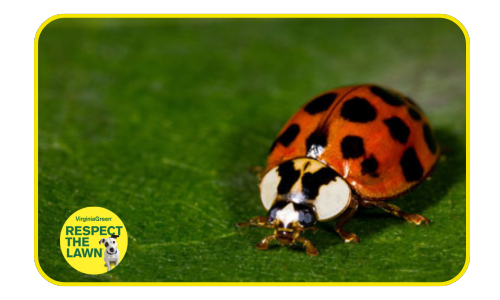
Another bug that shows up when the weather turns colder is the Asian Lady Beetle. Like ladybugs, Asian lady beetles feed on aphids and other insects that munch on plants. However, these bugs won’t say goodbye after gardening season is over. They’re prone to swarming and prefer to overwinter inside homes and often will crowd on windows and sliding glass doors. If they have the opportunity, Asian lady beetles will invade your home.
A lawn care company can help prevent Asian lady beetles by applying a preventative treatment to the exterior of a home in the fall. This professional service will get rid of the beetles before they can get inside to overwinter.
What to do if Winter Insects Are Bugging You
You can keep the bugs away in winter by keeping your gutters and downspouts clean, clearing leaf piles and branches, and moving debris and woodpiles away from your home. Another option is to sprinkle food-grade diatomaceous earth around the base of plants. It's a natural powder that dehydrates insects on contact. You may also try DIY sprays with ingredients like garlic, chili peppers, or neem oil, combined with water and a mild soap to help the mixture adhere. Cover vulnerable plants with netting or row covers to physically block insects from reaching them. If bugs in winter persist, it may be time to consult a lawn care technician.
Final Thoughts
Bugs can survive cold temperatures and do not die in the winter months. Where they go may depend on what you do during the spring, summer, and fall. A professional lawn care company can assist you in protecting your home and lawn from unwanted pests.
Bugs in winter bugging you? Contact us today to schedule your appointment today.