

The Pain of Wild Violets
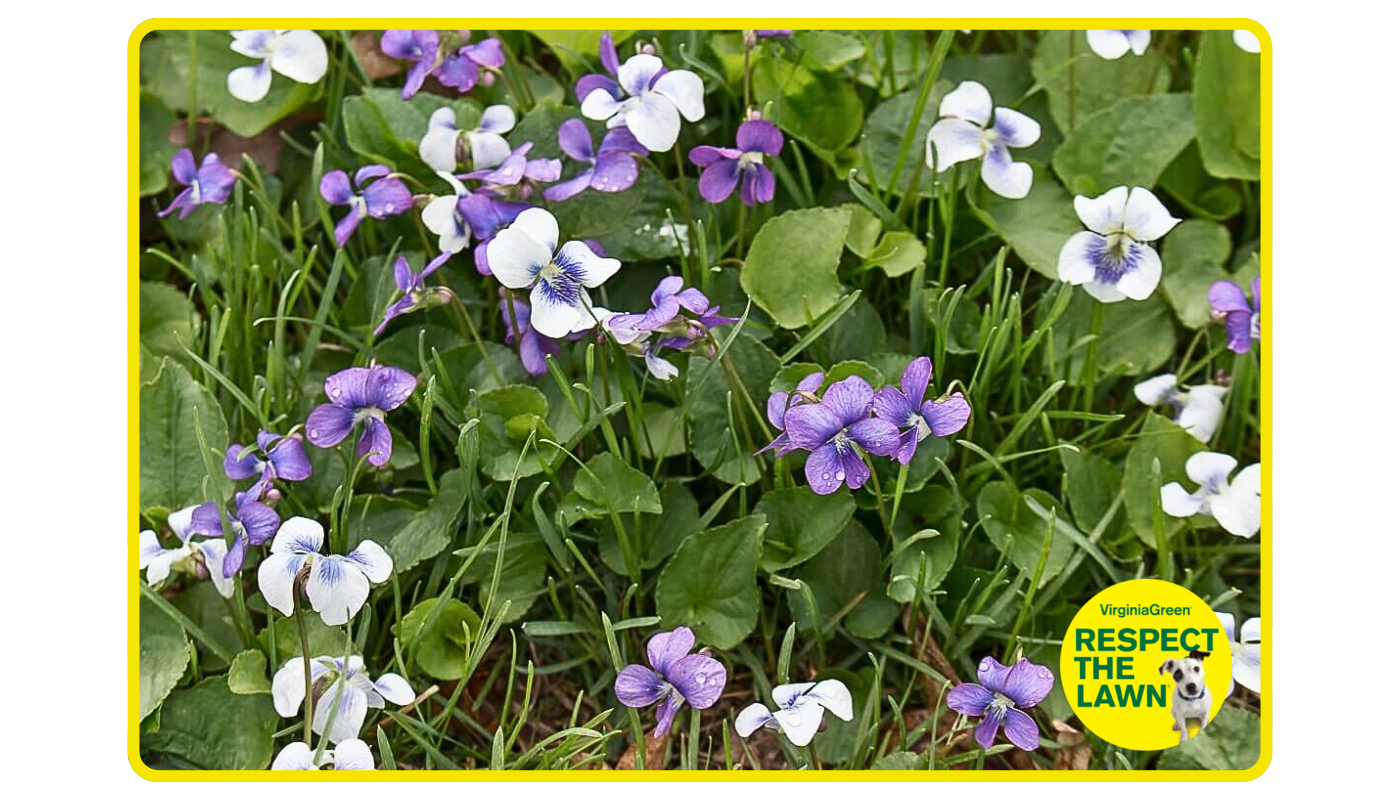
The perennial weed, Wild Violet, often grows in clumps and has purple flowers, sometimes white or yellow. It can be extremely common in Virginia lawns and can outcompete turf grasses such as Tall Fescue. Wild Violet thrives in moist and shaded soil and can signal areas of high soil fertility.
Topics Index
- How to identify Wild Violets
- When Do Wild Violets Grow?
- Why is it So Difficult to Remove Wild Violets
- How to Get Rid of Wild Violets
Learn More About Virginia Weeds
Explore common weeds found across Virginia and how to protect your lawn year-round.
How To Identify Wild Violets
Chances are, you or someone you know has recently dealt with a Wild Violet infestation in their yard. It is one of the most common weeds and is even seen in yards with a good lawn care regiment. Those with no lawn care routine or those just starting may currently see Wild Violet in their yard.
Recognized by its clumping growth pattern in areas of high moisture, you can identify Wild Violet through the following:
- Low-growing rosettes of heart shaped leaves with rounded teeth
- Leaves are often hairless with glossy surfaces.
- Purple flowers, sometimes white or yellow.
- Flowers have five petals, with two petals producing white hairs at their base.
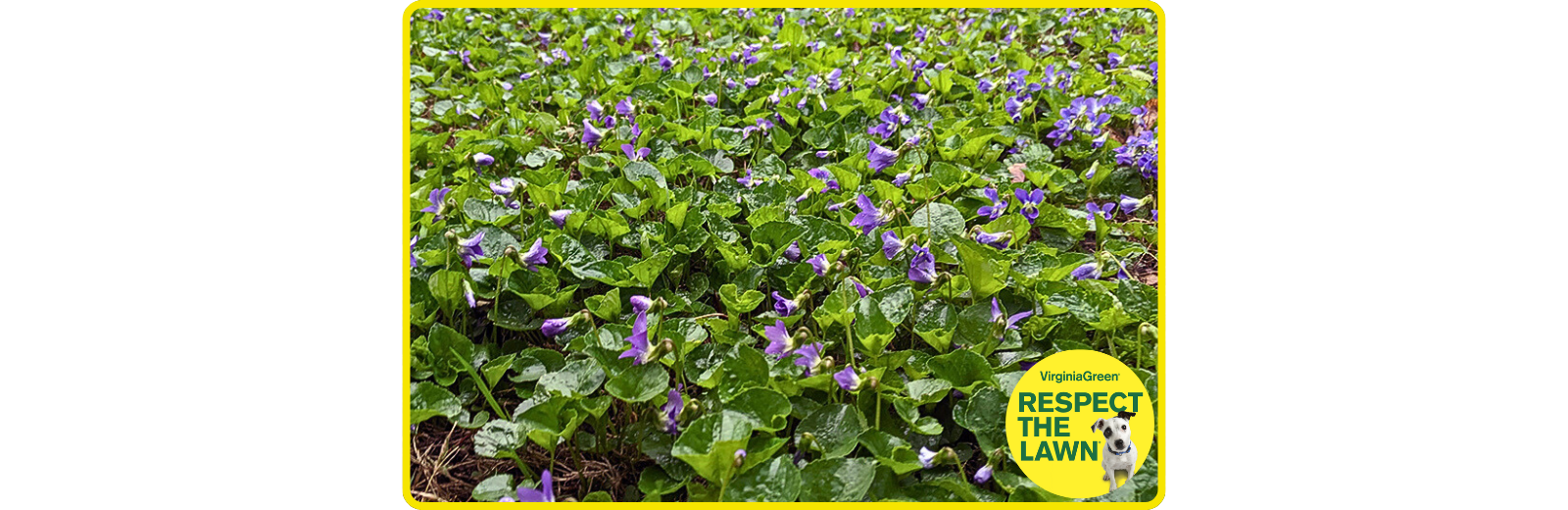
Wild Violet is one of the most pesky unwelcomed visitors in anyone's lawn. It is best to combat the weed with regular and proper care throughout the year.
When Do Wild Violets Grow?
Depending on your location it is most likely you will see the vegetation of the Wild Violet emerge in early spring. This vegetation is produced mainly by growing points on rhizomes, and the plant will continue to grow throughout the season. Around mid-season, in April and May, the flowers of the Purple Violet will begin to emerge, eventually being replaced by capsules containing seeds.
Why is it So Difficult to Remove Wild Violets?
The best way to remove Wild Violets is through the pulling of the entire rhizome from the soil. If any portion of the rhome is still left in the soil, the weed will still be able to reproduce. Like any weed, the strongest defense against Wild Violet is prioritizing proper lawn care. This includes maintaining strong turf density, good mowing habits, and using the right turfgrass for your climate.
Wild Violets are very difficult to remove but can be combatted. Mentioned in the previous section, Wild Violets prevent problems in lawns with a high level of maintenance and those with little to no lawn care. Some of the difficulties come from Wild Violet’s thick, waxy leaves as well.
It is suggested that you use multiple treatments when considering weed control, as Wild Violet is very resilient. Using a service such as Virginia Green and maintaining regular lawn care service and maintenance is always the best way to combat this pesky weed.
How to Get Rid of Wild Violets
The best way to remove Wild Violets is through pulling the entire rhizome from the soil. If any portion remains, the weed will continue reproducing. Like most weeds, the strongest defense is a healthy lawn maintained through dense turf, proper mowing, and correct grass varieties for your climate.
Ready to Remove Wild Violets?
Let Virginia Green help restore your lawn's health and beauty.