

How to Get Rid of Moles Without Damaging Your Yard
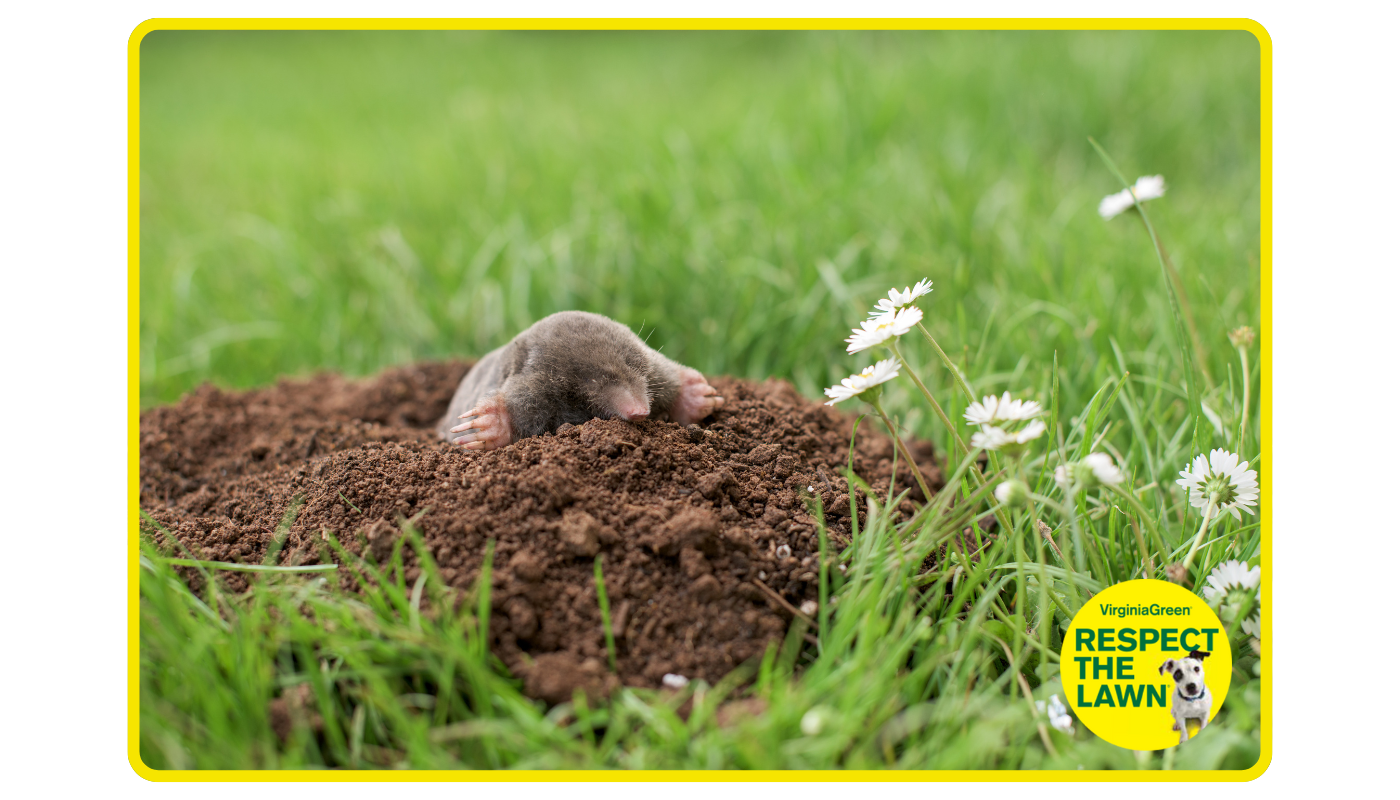
Moles are small Insectivores (not rodents) that have the ability to tunnel and create holes in your yard and garden. They are small, covered in brown fur and have paddle-like forefeet that are highly efficient in digging. Damage from moles includes unsightly mounds and upended dirt in yards as well as dead or thinning turf from grass root damage.
Topics Index
- How to Identify a Mole
- Is it a Mole or a Shrew?
- When Are Moles Most Active
- Why Are Moles a Problem
- How to Treat for a Mole Infestation
- Final Thoughts on Moles in Your Yard
How to Identify a Mole
You might be wondering, how do I know if I have moles in my yard? Moles are burrowing animals that often are found in residential yards and gardens. If you see mounds of dirt and small holes in your lawn, there is a good chance you have a mole problem.
Is it a Mole or a Shrew?
Yard pests are common and if you see one, there is a good chance it's either a mole or a shrew. Both the shrew and the mole belong to the order Insectivora, primarily feeding on insects and invertebrates. An easy way to distinguish between moles and shrews hunting patterns is that Moles hunt below the surface of your yard and shrews hunt in these tunnels created by moles or above ground.
The easiest distinguishing factor between moles and shrews is size. Shrews are very small, able to fit inside a shot glass. Moles on the other hand are roughly 5 to 7 inches long.
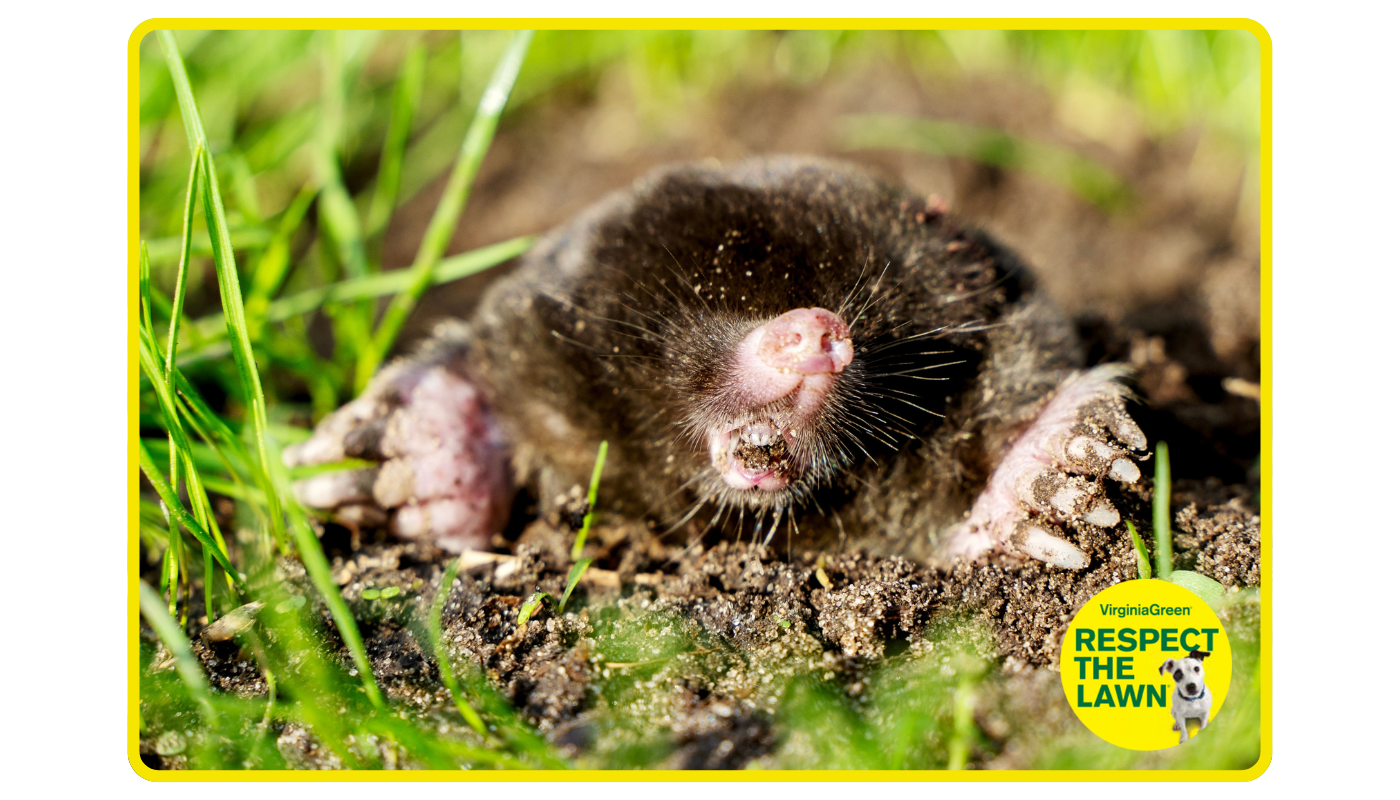
Common characteristics to look for in a mole are:
- Short, velvety brown fur
- Small, often difficult to see eyes
- Fur concealed ears
- Large, shovel-like feet, bent sideways that are efficient for tunneling and digging
- Small, pink snout often with small whiskers
When Are Moles Most Active
While you may wish Moles hibernated, this Insectivora is active throughout the entire year. Moles are active throughout the entire year, especially during periods of warm weather and high rainfall. Since Moles prefer to hunt in loose, moist soil, these conditions create preferable conditions to meet their high food demands.
Why Are Moles a Problem?
As Moles eat nearly 70 – 100 percent of their body weight in food each day, they have the ability to remove large sums of undesirable grubs and insects from yards. With that consumption comes mole hills and tunnels in the yard you’ve spent countless hours caring for all year. Not only do mole hills come with loads of soil pushed to the surface on your lawn, but they often are accompanied by tunnels.
- Grass root damage, causing browning and dead turf.
- Dirt pushed to the surface from shallow tunnels make mowing your lawn difficult
- Unsightly circular mounds of dirt near entrances of mole holes
How to Treat for a Mole Infestation
Treating moles by yourself can be difficult, frustrating, and time consuming. Many DIY Mole treatments include filling in mole holes and watering grass that has been damaged by holes and tunneling. While this may work as a short-term solution, since moles are active year-round, you may be left fighting a never-ending, uphill battle.
At Virginia Green we offer Mole Control services, through 10 targeted applications throughout the year that deter and repel moles from your yard and garden. Our program is non-lethal and utilizes the following:
- Treatments are applied directly to the lawn and absorbed into the soil.
- The product coats underground food sources and plants, making the area uninviting for moles.
- As the food becomes less attractive, moles naturally move away in search of better feeding grounds.
Final Thoughts on Moles in Your Yard
If you are seeing the start of molehills and tunnels in your yard, controlling this issue is your main priority. Not only can moles give your lawn an unsightly look, making it difficult to mow, but also their tunneling may kill parts of your lawn. Whether you are thinking of a DIY approach or utilizing Virginia Green’s professional mole control, getting ahead of the issue is a great way to keep your lawn healthy all year long.